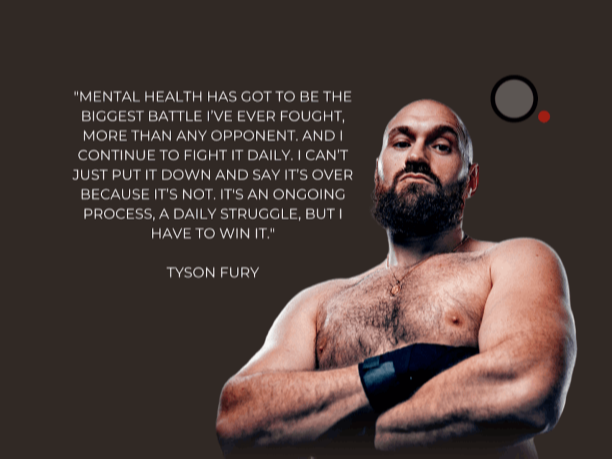
Mental Health & Sports

The world of combat sports, from boxing to mixed martial arts (MMA), is as much a mental battle as it is a physical one. While the physical demands are obvious, the mental health challenges faced by professional fighters are often overlooked. Recent research has highlighted a sharp increase in mental health issues among fighters, raising questions about how the industry is responding to these challenges.
The Mental Health Crisis in Combat Sports
In recent years, there has been a growing recognition of the mental health challenges faced by professional fighters. The pressures of maintaining peak physical condition, the fear of injury, the weight of expectations, and the constant need to perform at an elite level can take a significant toll on mental health. Issues such as anxiety, depression, and post-traumatic stress disorder (PTSD) are prevalent among fighters, yet many struggle in silence due to the stigma surrounding mental health in combat sports.
"Mental resilience is just as crucial as physical conditioning in combat sports. Addressing mental health with the same dedication as physical training can dramatically improve a fighter's performance and overall well-being."
[Dr. Ishtiaq Rehman]
Stigma and Silence
In the world of combat sports, there is a pervasive culture of toughness that often discourages fighters from seeking help for mental health issues. The fear of appearing weak or vulnerable can lead many fighters to bottle up their emotions, which can exacerbate mental health problems over time.
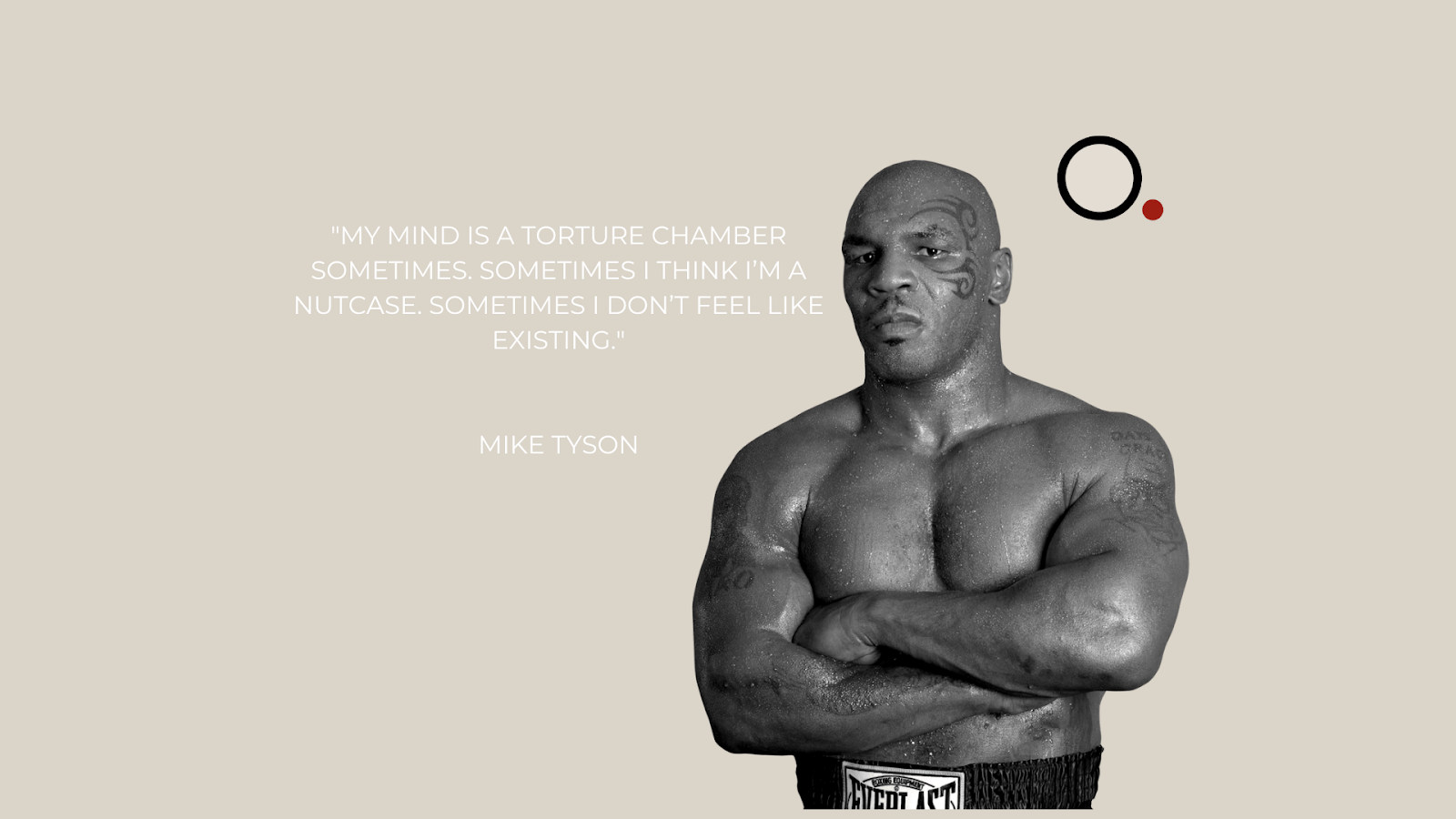
The Impact of Mental Health on Performance
Mental health issues can have a profound impact on a fighter's performance. Anxiety and depression can lead to decreased focus, lower motivation, and impaired decision-making in the ring or cage. This not only affects their ability to train effectively but also their performance during fights, potentially leading to losses that further compound mental health struggles.
Issues with Medication and Treatment
While medication can be effective for managing mental health conditions, fighters face unique challenges when it comes to treatment. The use of certain medications can lead to side effects that may impair physical performance, making them less appealing to athletes who need to stay in peak condition. Additionally, the fear of failing drug tests or being judged by peers can prevent fighters from seeking or adhering to prescribed treatments.

Statistics on Effectiveness
In the UK, mental health treatments, including medications, have shown varying levels of effectiveness among athletes. Studies indicate that while some fighters benefit from medication, many prefer alternative approaches due to the potential side effects and impact on performance.
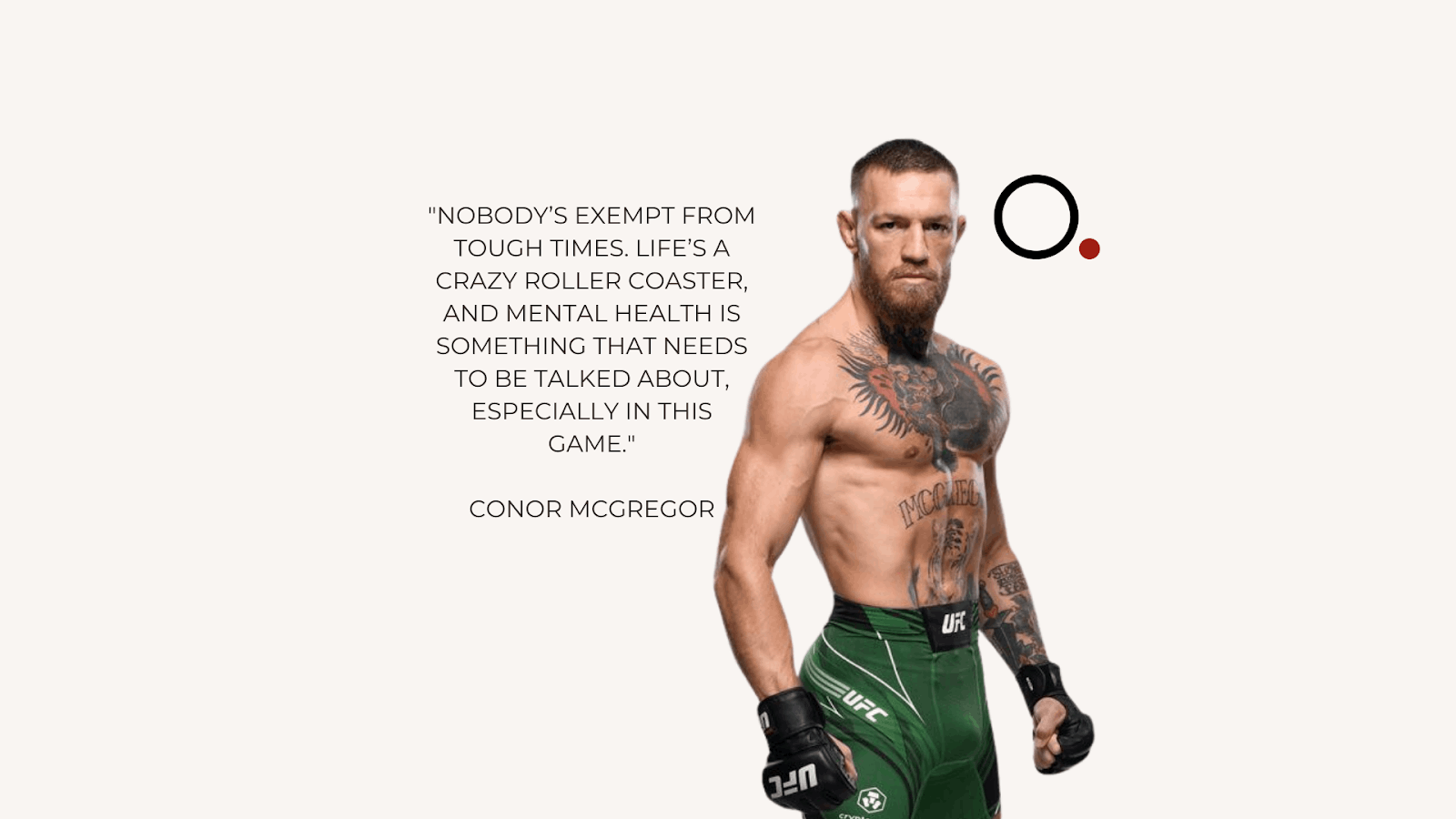
The Role of Nutrition in Mental Health for Fighters
Just as nutrition is crucial for physical health, it plays a vital role in maintaining mental health, particularly for fighters. Proper nutrition can help manage symptoms of anxiety, depression, and other mental health conditions, ensuring that fighters stay mentally and physically fit.
Research Link: UCL Institute of Epidemiology and Health Care
The Omega Balance Test Kit gives combat athletes valuable insights into their omega-3 and omega-6 balance. Correcting imbalances in these essential fatty acids helps alleviate mental health challenges, such as anxiety and lack of focus, which are common in high-stress sports. Achieving an optimal omega ratio can improve cognitive function and emotional well-being, providing a crucial mental edge in competition.

The Vegan Omega Balance Oil & Test Kit is designed to enhance mental health by supporting focus and reducing anxiety for combat athletes. Plant-based omega-3 from this supplement aids in stabilising mood and enhancing cognitive performance, which can improve mental clarity and reduce stress levels during intense training and fights.